
History
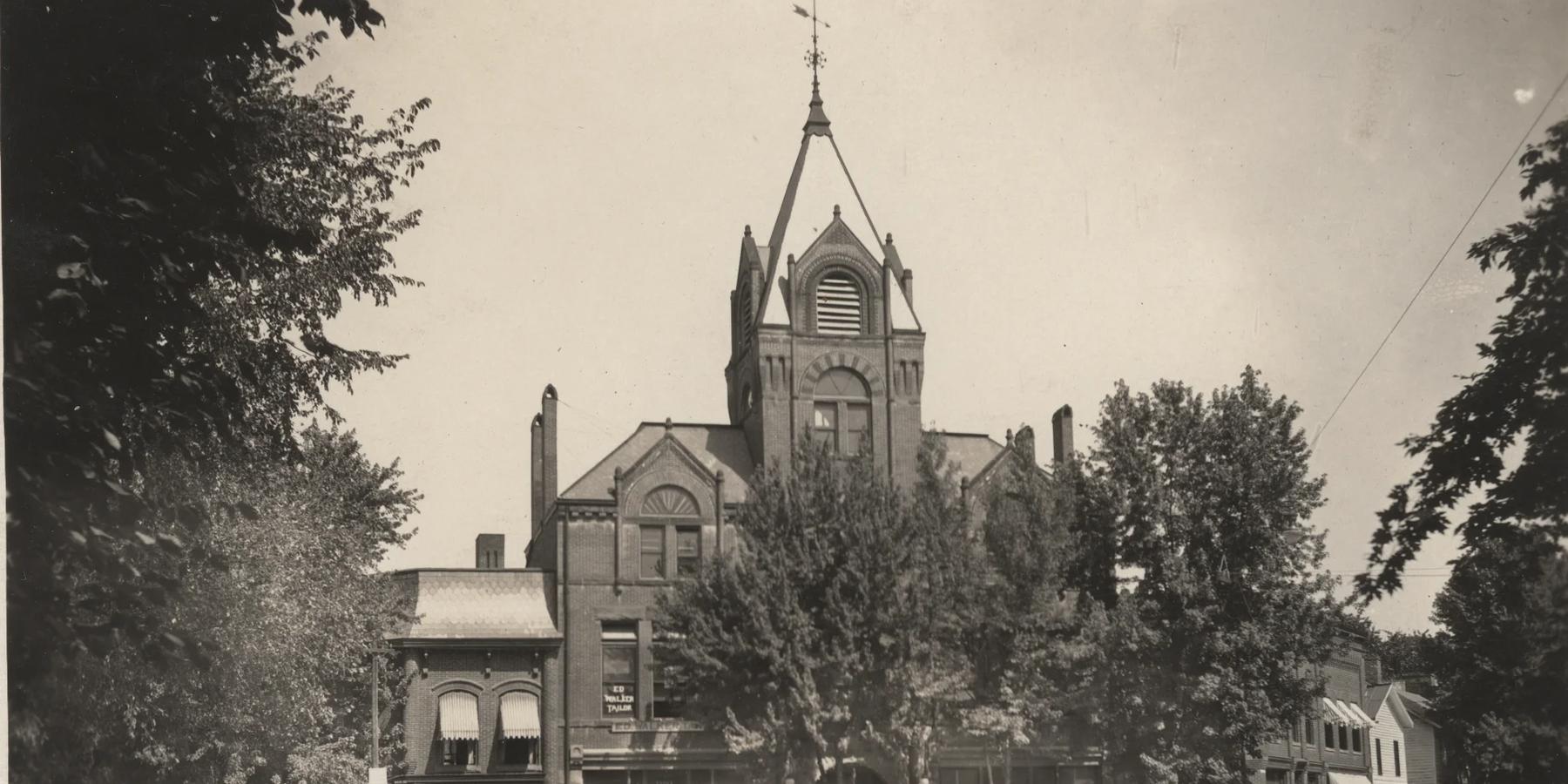
A Community Landmark since 1892
Built for a Growing Community
In the late 1800s, McConnelsville was a busy county seat connected by railroads and river traffic along the Muskingum. Local businesses flourished, and residents wanted a place for entertainment and civic life.
By 1889, plans were moving forward for a combined town hall and opera house on the public square. The project followed years of debate over its leadership, location, and cost.
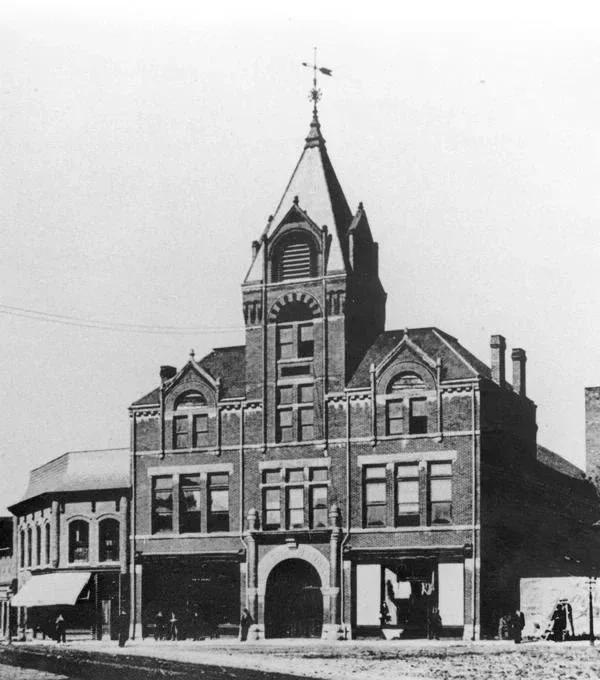
Designed by Zanesville architect H. C. Lindsay, the building brought government offices and a theater together under one roof. It reflected a community’s ambition to create a lasting gathering place.
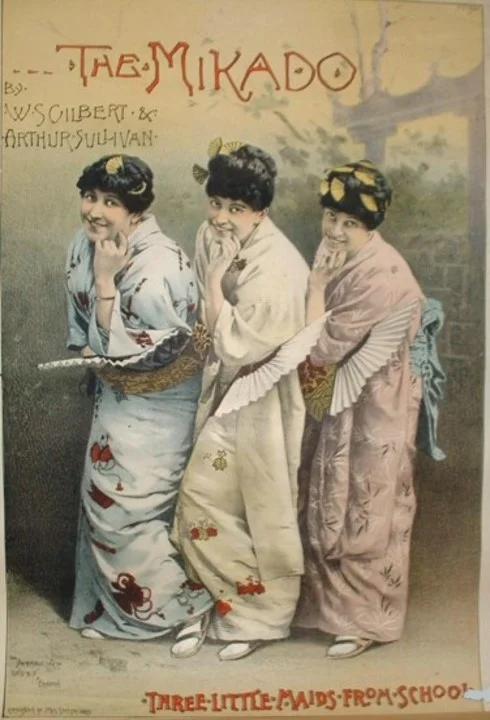
An Opening Night to Remember
On May 28, 1892, the Opera House celebrated its formal opening with a performance of Gilbert and Sullivan’s The Mikado. Visitors arrived eager to see both the new theater and its electric lighting—an exciting feature for the community.
But a failure at the local generating plant plunged the building into darkness. Lamps were gathered to illuminate the auditorium, and although some guests left, those who remained enjoyed the performance.
It was an unpredictable beginning to the Opera House’s long history of bringing live entertainment to McConnelsville.
Closer Look at The Building
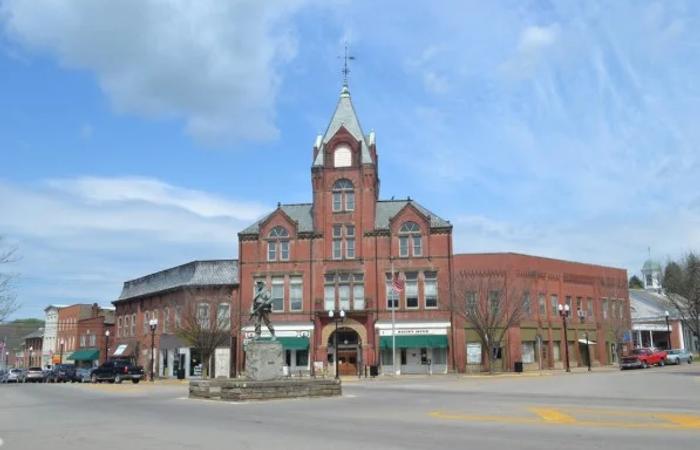
A Landmark above the Square
The Opera House’s tower rises 108 feet above the sidewalks of McConnelsville. A clock was included in the original plans, but budget constraints kept it from being installed.
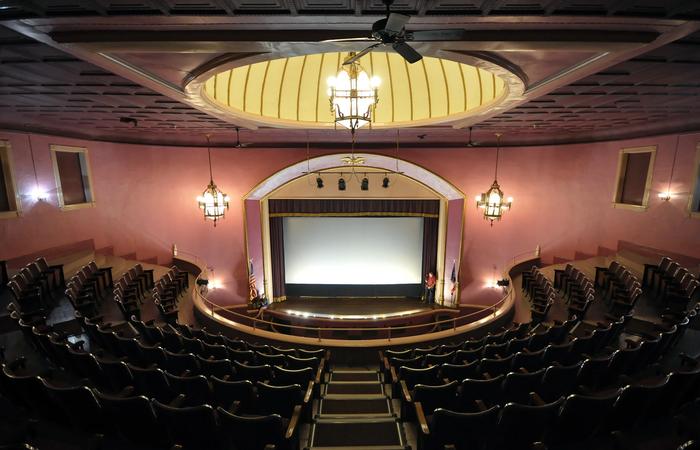
A Stage with a Different Angle
The stage slopes approximately three degrees toward the audience. This design helped people seated near the front see more of the performers, including their feet.
Behind the Curtain
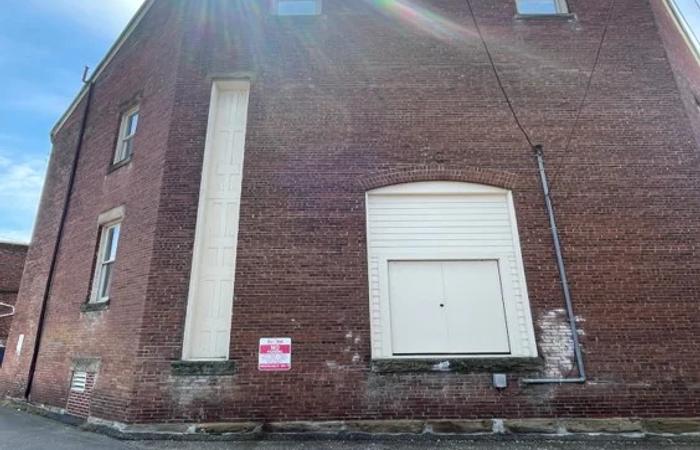
Traveling productions brought large scenery and elaborate costumes. Tall backstage loading doors accommodated oversized backdrops, while stage-floor trapdoors once gave performers quick access to dressing rooms below.
A Dome Designed for Sound
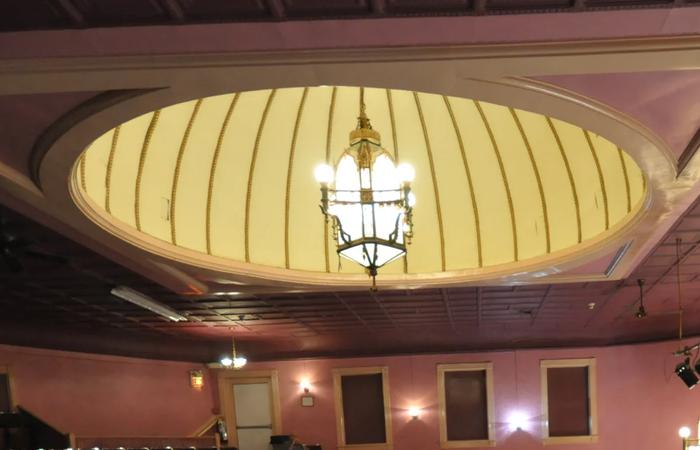
The central dome is a distinctive feature of the auditorium. Its shape contributes to the acoustics that help voices carry throughout the theater.
From Traveling Shows to the Silver Screen
Traveling productions once brought elaborate scenery, performers, and orchestras to McConnelsville, often arriving by train. Alongside these shows, the Opera House hosted public speakers, school commencements, and community gatherings.
In 1913, the theater installed permanent equipment for showing silent films, including a projection booth at the rear of the balcony and a screen on the stage. Movies became another way for local audiences to experience entertainment together.
Sound pictures arrived in 1930 through the Vitaphone system, which synchronized recorded sound with film. Further improvements in 1936 brought new sound projectors, auditorium renovations, and a projection booth above and behind the balcony.
Today, the Opera House continues that tradition, bringing movies and live entertainment together in a historic setting.
A Living Part of McConnelsville
The Twin City Opera House is more than a reminder of the past. It remains a place where people gather for movies, live performances, and community events—continuing the purpose that brought it to life in 1892.
Its auditorium, Birch Hall, honors Morgan County native and magician MacDonald Birch, who returned to perform for hometown audiences during his career.
Each visit adds another chapter to the building’s story. Whether you’re settling in for a movie or attending a local production, you’re taking part in a tradition shared by generations of McConnelsville residents and visitors.